
Peptide therapy is often part of a broader wellness plan, and daily habits can play an important role in how supported your body feels along the way. While treatment plans are individualized, nutrition is one of the most practical ways to help create a stronger foundation for recovery, energy, metabolic health, and overall well-being.
Food is not a replacement for medical care, and it does not need to be complicated to be helpful. In many cases, building meals around protein, fiber, healthy fats, and whole-food ingredients can help support the systems your body relies on every day.
If you are looking for simple, realistic ways to complement your routine, these foods are a strong place to start.
Why Nutrition Matters During Peptide Therapy
Peptides work within the body’s existing systems, which means your day-to-day habits still matter. Sleep, hydration, movement, and nutrition all contribute to how supported your body feels throughout any wellness routine.
A nutrient-dense diet may help support:
- stable energy
- recovery and repair
- hormone balance
- healthy digestion
- inflammation balance
- overall resilience
That does not mean every meal needs to be perfect. It simply means that the foods you eat on a regular basis can help shape the environment your body is working within.
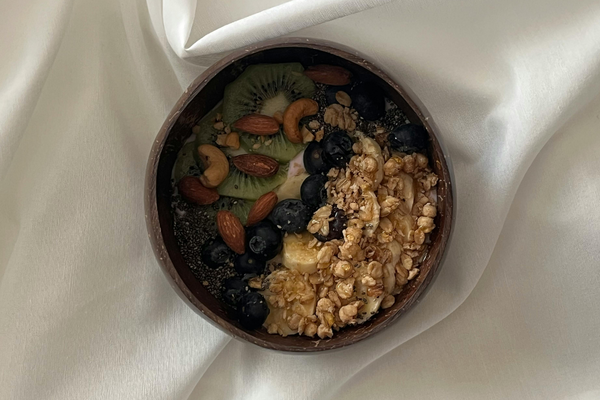
15 Foods That May Help Support Your Routine
You do not need a restrictive meal plan or specialty foods to eat in a way that supports your goals. Often, the most helpful foods are the ones that are already familiar: quality proteins, fiber-rich carbohydrates, healthy fats, and colorful produce that fit easily into everyday meals.
Below are 15 foods that may help support recovery, gut health, hormone function, energy, and overall wellness.
1. Eggs
Eggs are a convenient source of complete protein, meaning they provide all essential amino acids. That makes them a strong option for supporting tissue repair, muscle maintenance, and overall recovery.
They also work well in simple meals, whether you prefer them scrambled, boiled, or paired with vegetables and whole-grain toast.
2. Greek Yogurt and Cottage Cheese
Greek yogurt and cottage cheese can be practical options for protein, especially when you want something quick and easy. They also pair well with fruit, seeds, or nuts for a balanced snack or breakfast.
For many people, these foods are an easy way to support lean muscle, satiety, and gut-friendly meal structure.
3. Salmon
Salmon offers a combination of protein and omega-3 fats, making it a strong addition to a wellness-focused routine. Omega-3s are often associated with support for skin, joints, brain health, and inflammation balance.
A simple salmon meal with vegetables and a fiber-rich side can be an easy way to build a more supportive plate.

4. Lean Meats
Chicken, turkey, and lean cuts of beef can provide the amino acids your body uses to maintain muscle and support repair. These foods can be especially helpful when building balanced meals around protein first.
A well-rounded plate with lean protein, vegetables, and a nourishing carbohydrate source can go a long way in supporting consistency.
5. Tofu and Edamame
For plant-based eaters, tofu and edamame are versatile protein options that can fit into bowls, salads, stir-fries, and snacks. They can help support a more balanced meal structure while offering variety for those who do not rely heavily on animal protein.
These foods are also easy to pair with fiber-rich vegetables and healthy fats.
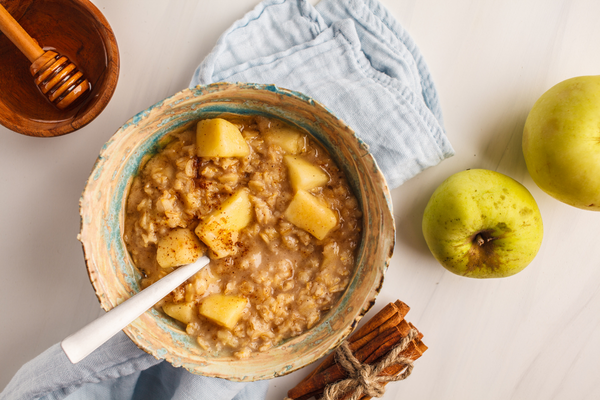
6. Oats and Whole Grains
Oats and other whole grains can help support stable energy, digestive health, and blood sugar balance when included thoughtfully. Their fiber content can also support a healthier gut environment, which plays an important role in overall wellness.
Breakfast bowls, overnight oats, or whole grains paired with protein can be simple ways to make these foods part of your routine.
7. Beans and Lentils
Beans and lentils offer a helpful mix of fiber, plant protein, and nutrients that can support digestive health and satiety. They are also an easy way to add more whole-food structure to salads, grain bowls, soups, and side dishes.
For many people, these foods are a practical staple for more balanced eating.
8. Avocado
Avocado is a simple source of healthy fat, along with fiber and potassium. It can help round out meals, add staying power, and support a more satisfying eating pattern overall.
It works well sliced on toast, added to bowls, or paired with eggs and vegetables for an easy breakfast or lunch.
9. Olive Oil
Extra virgin olive oil is a staple ingredient in many supportive eating patterns. It adds flavor, healthy fats, and an easy way to make meals feel more complete without relying on heavily processed ingredients.
Drizzling olive oil over vegetables, proteins, or grain bowls is one of the easiest ways to elevate simple meals.

10. Nuts
Almonds, walnuts, pistachios, and other nuts can be helpful for energy, convenience, and balanced snacking. They pair well with yogurt, fruit, or a small meal when you need something easy and satisfying.
Because they contain fat, fiber, and some protein, they can help create more stability between meals.
11. Seeds
Chia, flax, and hemp seeds may be small, but they can add a lot to a wellness-supportive routine. They are an easy way to add fiber and healthy fats to yogurt bowls, smoothies, oatmeal, or salads.
Keeping these on hand can make it easier to support consistency without overthinking your meals.
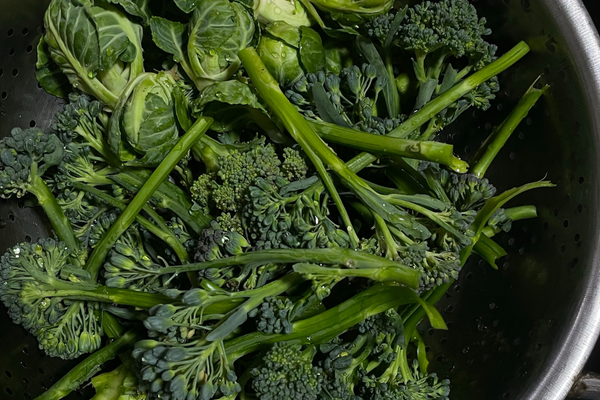
12. Cruciferous Vegetables
Vegetables like broccoli, cauliflower, and arugula are excellent additions to a nutrient-dense routine. They bring fiber, variety, and supportive plant compounds that can fit well into meals focused on overall wellness.
Roasting, sautéing, or adding them to bowls can make them easier to eat consistently.
13. Berries
Berries are a simple way to add color, fiber, and antioxidants to your day. They can pair well with yogurt, oats, chia pudding, or simply work as an easy add-on to breakfast or snacks.
For many people, berries are one of the easiest whole-food swaps to make when trying to build a more supportive routine.
14. Sweet Potatoes and Root Vegetables
Sweet potatoes and other root vegetables can offer a nourishing source of carbohydrates, fiber, and minerals. They work especially well in balanced meals that include protein and healthy fats.
Roasted sweet potatoes, warm vegetable bowls, or sheet-pan meals can make these foods easy to enjoy regularly.
15. Bone Broth
Bone broth can be a comforting addition to a wellness routine, especially when you want something warm, savory, and simple. It can fit well alongside meals or be used as a base for soups and more nourishing dishes.
For some people, it is a practical way to support a more restorative approach to eating.
Simple Meal Ideas to Pull It All Together
Eating to support your routine does not have to mean spending hours in the kitchen. In many cases, the easiest approach is to build simple meals around a few foundational pieces: protein, fiber, healthy fats, and produce.
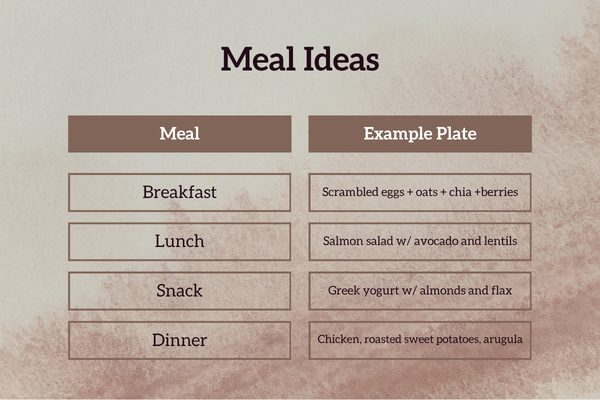
The goal is not perfection. It is consistency. Meals that are simple enough to repeat are often the ones that support people best over time.
A Few Practical Tips for Better Results
Supporting your wellness routine through food does not have to feel extreme. A few practical habits can make meals feel more aligned with your goals:
- prioritize whole foods more often than processed foods
- include protein at each meal when possible
- add fiber-rich foods throughout the day
- do not avoid healthy fats
- stay consistent with hydration
- aim for meals that feel sustainable, not restrictive
The more realistic your routine feels, the easier it becomes to maintain.
Supporting Your Routine in a More Thoughtful Way
A supportive routine is about more than one food or one habit. It is about creating a pattern that helps you feel nourished, informed, and consistent over time.
If peptide therapy is part of your broader wellness plan, your nutrition does not need to be perfect to be helpful. Choosing simple, whole-food meals with enough protein, fiber, and healthy fats can be a meaningful way to support your goals and feel more connected to your care.
At Revive, wellness should feel approachable, personalized, and grounded in real life. That means helping you build a plan that supports the full picture, not just one piece of it.