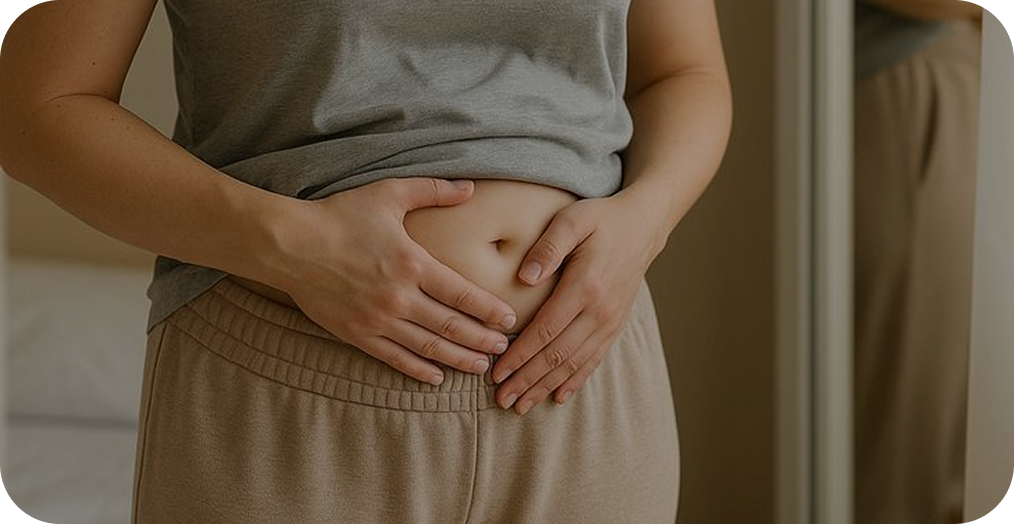
No one really prepares you for how much your body changes after having a baby. Not just in the obvious ways, but in the quiet, lingering ones that show up months or even years later.
After I had my baby, I kept waiting to feel like myself again. I was told it would come with time. With sleep. With getting back into a routine. But even when things looked “normal” on the outside, something inside felt different. My energy felt harder to access. My body responded differently to stress. Rest did not restore me the way it used to.
If you are postpartum and feel this way, I want you to know this first. You are not imagining it. And you are not alone.
Postpartum is not just a phase. It is a physiological transition that reshapes the body in lasting ways. These are the ten changes I experienced personally and now hear about over and over again in conversations with other moms.
1. My Nervous System Became More Alert
After having a baby, my nervous system shifted into a higher level of awareness. I was always listening. Always anticipating. Even when my baby slept, part of me stayed on.
This heightened alertness did not disappear after the newborn phase. It lingered. And it affected everything from my sleep to how I handled stress. This was not anxiety or weakness. It was my nervous system doing its job. It just never got the message that it was safe to stand down.
2. Sleep Stopped Feeling Restorative
Even once my baby started sleeping longer stretches, my sleep still felt light. I would fall asleep quickly but wake often, or wake feeling like I had barely rested.
Biologically, postpartum sleep disruption changes how cortisol and melatonin behave. The body learns to stay partially alert at night. Knowing this helped me stop blaming myself for something that was never about discipline.
3. Stress Felt Heavier Than Before
Stress felt different postpartum. Things that never bothered me before suddenly felt overwhelming. This was not because I became less resilient. My body was already carrying a higher baseline load. Mental load, emotional responsibility, and sleep deprivation add up. Stress is not just emotional. It is physical.
4. My Energy Became Inconsistent
Some days I felt okay. Other days it felt like I was moving through molasses. This kind of inconsistent energy is common postpartum and often reflects changes in nervous system signaling, blood sugar regulation, and adrenal communication. My body was conserving energy. It was not failing to produce it.
5. My Relationship With Food Changed
I noticed stronger cravings, especially when I was tired or stressed. Other times, I would forget to eat until my body demanded food urgently. Postpartum hunger and appetite shifts are driven by hormones, sleep disruption, and nervous system cues. My body was asking for fuel and safety, not testing my willpower.
6. Exercise Felt Completely Different
Workouts that used to energize me suddenly felt draining. Recovery took longer. Motivation changed. This was hard to accept until I understood that my body was prioritizing stability and repair over performance. Gentler movement supported my nervous system better than pushing through intensity.
7. Weight Did Not Respond the Same Way
Doing all the “right” things no longer produced the same results. That was frustrating and confusing. Postpartum weight changes are often protective. Chronic stress and sleep deprivation signal the body to conserve energy. Resistance to weight loss is frequently a sign of survival mode, not a lack of effort.
8. Brain Fog Showed Up
I struggled with memory, word recall, and focus. This was one of the changes that scared me the most. But postpartum brain fog is common. The brain adapts during motherhood to manage constant multitasking and emotional awareness. Add sleep deprivation and stress, and clarity can suffer. Support matters here.
9. My Emotions Felt Closer to the Surface
I felt more sensitive. More reactive. More easily overwhelmed. Hormonal shifts combined with nervous system activation amplify emotional responses. This does not mean something is wrong. It means the system needs regulation and safety.
10. My Body Needed Support, Not Pressure
This was the biggest lesson. My body no longer responded to force. Pushing harder, restricting more, or demanding faster results only made things worse. What helped was consistency, gentleness, and support. When safety increased, capacity followed.
A Reframe That Changed Everything for Me
None of these changes meant something was wrong with me. They did not mean I failed to recover “correctly.” They meant my body had adapted to protect and sustain life. This was biology, not behavior. Understanding that changed how I approached my health and ultimately why Revive With Me exists.
How I Think About Postpartum Support at Revive
At Revive, postpartum is not something to bounce back from. It is a major physiological transition that deserves care and respect. I approach support through nervous system regulation, hormonal context, sleep support, and realistic expectations for motherhood. When peptides are appropriate, they are introduced as support, not solutions. Education always comes first.
The goal is not to return you to who you were before. It is to support your body in finding stability, resilience, and capacity in this new season.